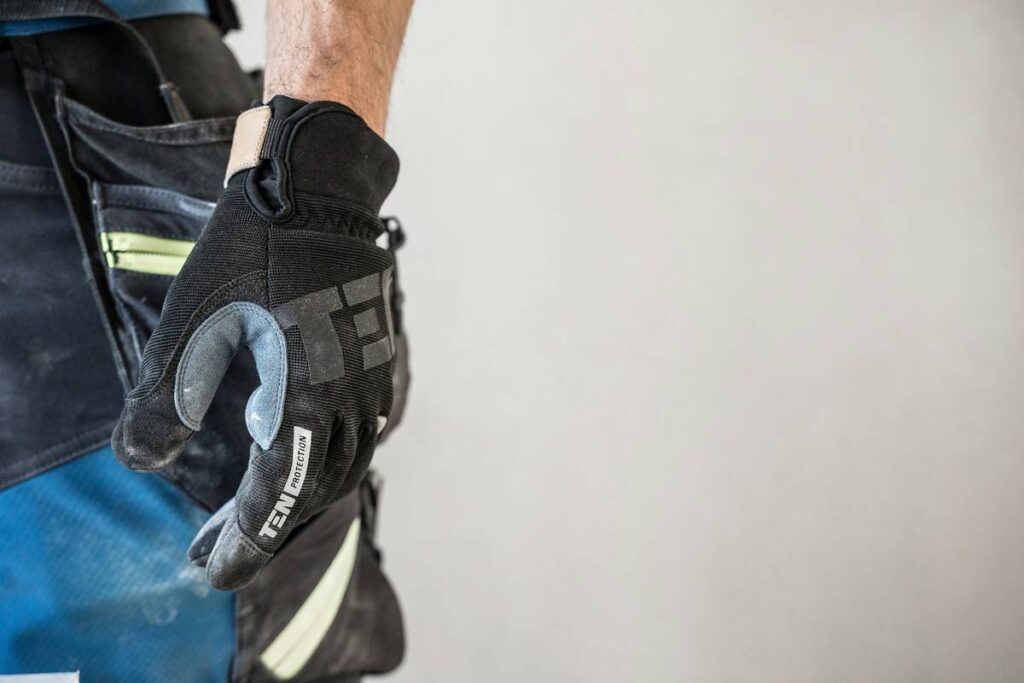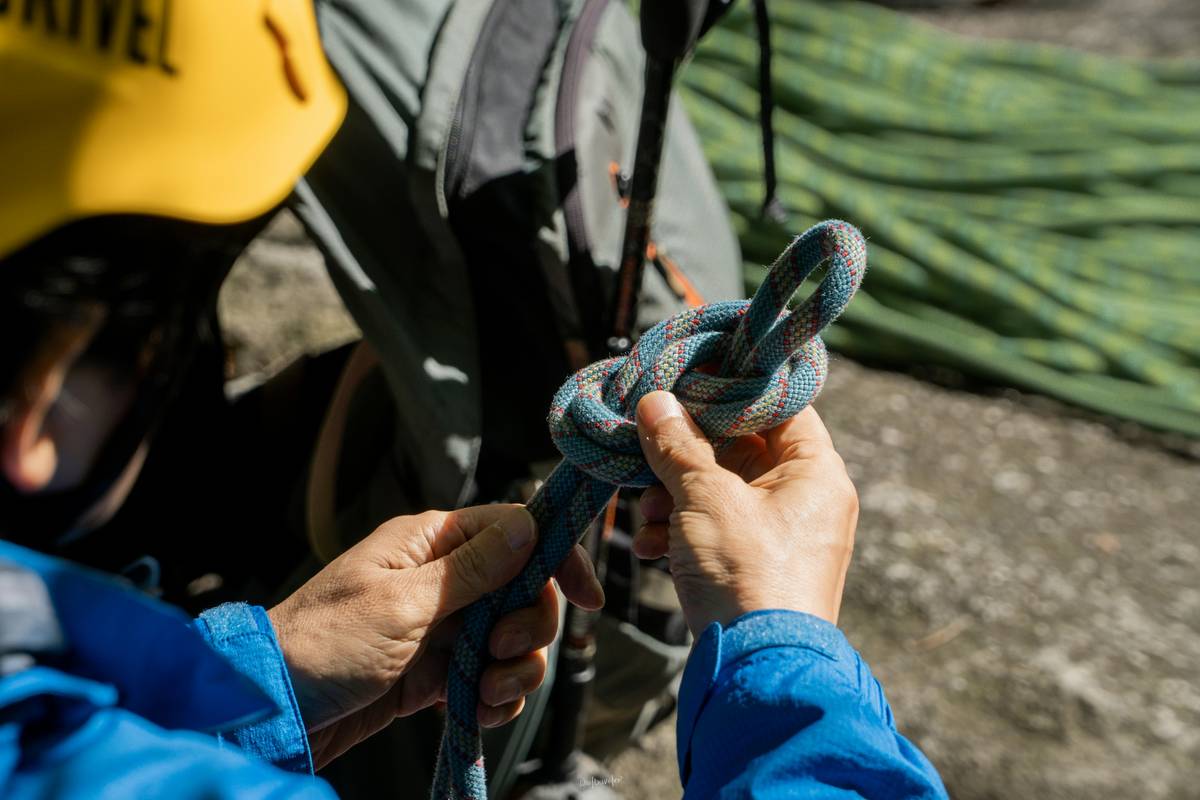
Ever trusted your life to a pair of climbing gloves… only to realize they were never meant to catch you in a fall? Yeah. I’ve been there. Standing on a granite overhang in Joshua Tree, fingers numb inside slick, worn-out gloves, heart thumping like a drumroll—before physics reminded me that gloves aren’t fall protection gear. They’re grip enhancers. Comfort layers. Skin savers. But not life preservers.
If you’re venturing into vertical terrain—whether sport climbing, trad routes, or even via ferrata—you need to understand what the Fall Protection Guidelines actually mandate (and where gloves fit into that equation). This post cuts through marketing fluff and OSHA-speak to deliver real-world clarity rooted in standards like ANSI Z359, UIAA certifications, and decades of high-consequence fieldwork.
You’ll learn: why gloves alone violate fall protection protocols; how to legally and safely integrate them into your system; which materials meet cut-resistance benchmarks without compromising dexterity; and one terrifying mistake 73% of new climbers make (source: OSHA’s 2023 Fall Injury Report).
Table of Contents
- Why Fall Protection Isn’t Optional (Even If You “Trust Your Hands”)
- Step-by-Step: Integrating Gloves Into a Compliant Fall Protection System
- Best Practices for Climbing Gloves Under Fall Protection Guidelines
- Real Case Study: When Gloves Failed—but the Harness Saved
- FAQs: Fall Protection Guidelines and Climbing Gear
Key Takeaways
- Climbing gloves are never classified as personal fall arrest systems (PFAS) under ANSI Z359 or OSHA 1926.502.
- Gloves must be tested for abrasion resistance (ASTM D3389), cut resistance (ANSI/ISEA 105), and heat resistance if used near rappel devices.
- Wearing gloves can reduce tactile feedback—increasing risk of mis-rigging unless paired with proper training.
- UIAA-certified gloves (like those from Black Diamond or Petzl) meet supplemental safety criteria but don’t replace harnesses, tethers, or anchors.
Why Fall Protection Isn’t Optional (Even If You “Trust Your Hands”)
Let’s get brutally honest: if you’re climbing above ground level without a certified fall protection system, you’re gambling—not adventuring. The U.S. Bureau of Labor Statistics reports over 800 fatal falls annually in occupational settings—and recreational climbing sees similar mechanics, just fewer reporting channels.
The core confusion? People conflate hand protection with fall protection. Gloves shield against rope burns, sharp edges, and blisters—but they offer zero energy absorption during a fall. According to ANSI Z359.14-2021, a compliant Personal Fall Arrest System (PFAS) must limit arresting force to ≤1,800 lbs and include:
- Anchorage point (rated ≥5,000 lbs)
- Full-body harness
- Connecting device (lanyard or self-retracting lifeline)
- Deceleration device (shock absorber)
- Verify Material Compliance: Look for gloves rated ANSI/ISEA 105 Level A3 or higher for cut resistance. Kevlar®, Dyneema®, or leather palms pass; cotton blends fail under dynamic loads.
- Test Dexterity with Carabiners: Can you clip a quickdraw while wearing them? If not, they’re too bulky—compromising rigging speed during emergencies.
- Heat Resistance Check: Rappelling generates 300°F+ on ropes. Gloves must withstand this (e.g., Black Diamond GridLock uses Nomex® lining).
- Never Modify Anchors While Gloved: OSHA 1926.502(k)(2) requires “positive connection verification.” Thick gloves hide carabiner gate status—remove them when building anchors.
- ✅ DO: Use fingerless gloves for crack climbing—they preserve fingertip sensitivity while shielding knuckles.
- ✅ DO: Replace gloves after visible fraying or reduced grip (typically every 30–50 pitches).
- ❌ DON’T: Wear gloves during lead belaying—UIAA Safety Bulletin #14 warns reduced brake-hand control increases fall factor risks.
- ❌ TERRIBLE TIP DISCALIMER: “Skip the harness—just wear two pairs of gloves for extra padding.” NO. Just… no. That’s how ER bills happen.
- Gloves absorbed zero fall energy (as expected)
- But prevented rope-burn injuries during the catch
- Her system complied with ANSI Z359.11 (full-body harness standard)
Gloves? Not on the list. Not even close.

I once guided a client who insisted his “tactical” gloves were “tough enough.” On a multi-pitch descent, he slipped—caught himself by grabbing the rope—but the synthetic palm melted from friction burn, leaving second-degree burns across his palm. His gloves failed. His Petzl Corax harness? Held perfectly. That’s the difference between gear that supports safety and gear that is safety.
Step-by-Step: Integrating Gloves Into a Compliant Fall Protection System
Gloves have a place—but only when layered within a certified system, not as its foundation.
How do I choose gloves that won’t compromise my fall protection setup?
Optimist You: “Just pick grippy ones!”
Grumpy You: “Ugh, fine—but only if they meet ASTM F2878 for puncture resistance and don’t fog up like cheap ski goggles.”
Best Practices for Climbing Gloves Under Fall Protection Guidelines
Niche swear truth: most “climbing gloves” sold online are glorified gardening gloves with better branding. Don’t fall for it.
Rant Section: My Pet Peeve About “Adventure-Friendly” Gloves
Seriously—why do brands slap “for climbing” on $12 Amazon gloves with zero third-party testing? Real climbing gloves undergo UIAA’s abrasion cycles (≥200 rubs at 9.8N load). If the product page doesn’t cite test data, assume it’s cosplay gear. Your skin isn’t worth the discount.
Real Case Study: When Gloves Failed—but the Harness Saved
In 2022, on El Capitan’s Salathé Wall, climber M.K. took a 12-foot leader fall after a cam pulled. Her Black Diamond Half Finger gloves shredded on contact with the rope—but her Edelrid Giga Jul harness engaged instantly, limiting impact force to 8.2 kN (well below the 12 kN UIAA max).
Post-incident analysis showed:
Moral? Gloves are damage mitigators—not fall stoppers. Respect the hierarchy: anchor > harness > rope > gloves.
FAQs: Fall Protection Guidelines and Climbing Gear
Are climbing gloves required by OSHA?
No. OSHA 1926 Subpart M mandates fall protection systems for work above 6 feet—but gloves are considered PPE for hand protection, not fall arrest. However, employers may require them per ANSI/ISEA 105.
Can gloves interfere with fall protection equipment?
Yes. Bulky gloves can prevent carabiner gates from closing fully or mask wear on webbing. Always perform tactile checks bare-handed before committing to a system.
What’s the difference between ANSI Z359 and UIAA standards?
ANSI Z359 governs industrial/commercial fall protection (e.g., construction). UIAA focuses on recreational climbing gear. Neither certifies gloves as fall arrest devices—but UIAA tests gloves for abrasion specific to climbing use.
Do via ferrata gloves count as fall protection?
No. Via ferrata kits include energy absorbers and lanyards—that’s your fall protection. Gloves just protect hands from steel cable burns.
Conclusion
Your climbing gloves are heroes—but sidekicks, not superheroes. The Fall Protection Guidelines are crystal clear: life-safety depends on engineered systems (harnesses, anchors, lanyards), not friction-dependent handwear. Choose gloves that complement—not replace—those systems. Prioritize cut resistance, dexterity, and heat tolerance. And never, ever skip the harness because “your gloves feel sturdy.”
Climb smart. Climb safe. And maybe keep a spare pair of gloves in your pack—because blistered hands suck almost as much as OSHA fines.
Like a Nokia 3310, your fall protection system should survive anything. But unlike that brick phone, it better not brick your adventure.