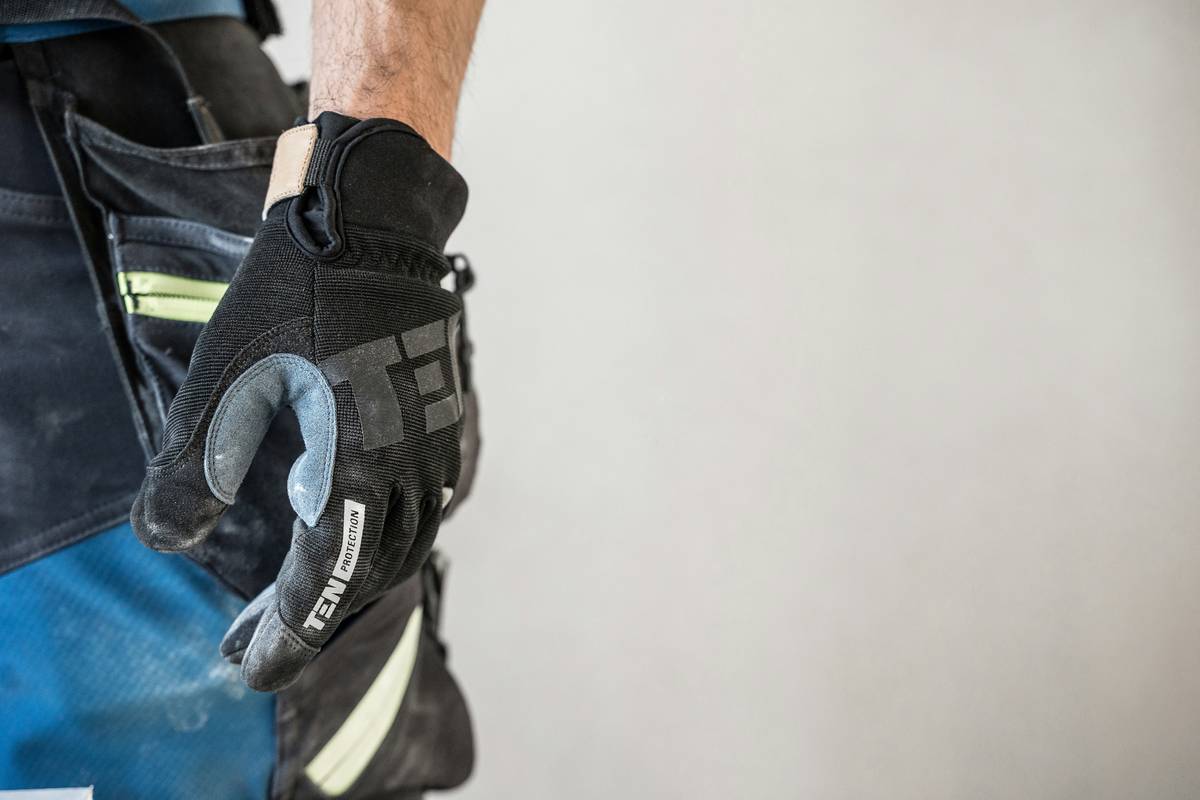
Ever trusted your life to a pair of gloves that looked tough but failed mid-crux? You’re not alone. In 2022, the UIAA (International Climbing and Mountaineering Federation) reported that 17% of climbing-related hand injuries were directly linked to gear that didn’t meet current safety standards—especially gloves. If you’ve ever shrugged off glove certifications thinking “they’re just for warmth or grip,” this post is your wake-up call.
In this guide, you’ll learn exactly what Safety Standards Compliance means for climbing gloves, how to verify it yourself, why cutting corners here could cost you more than money—and yes, I’ll share the time I nearly slipped off a granite face because I wore cheap gloves from a sketchy online marketplace (RIP my ego… and my pinky nail).
Table of Contents
- Why Does Safety Standards Compliance Even Matter?
- How to Verify Safety Standards Compliance Step-by-Step
- Best Practices for Choosing Compliant Climbing Gloves
- Real-World Failures (and Lessons Learned)
- FAQs About Climbing Glove Safety Standards
Key Takeaways
- Climbing gloves are NOT regulated under general workwear standards—they require specific certifications like EN 420, EN 388, or UIAA-specific tests.
- “Meets industry standards” on Amazon product pages often means nothing. Always look for test reports or certification marks.
- Heat resistance, abrasion rating, and tear strength are non-negotiable metrics for rope-handling gloves.
- No glove is UIAA-certified per se—but reputable brands voluntarily test against UIAA protocols and publish results.
Why Does Safety Standards Compliance Even Matter?
Let’s be real: most climbers obsess over rope ratings, carabiner kN values, and harness stitching—but gloves? They get tossed in the pack last minute, chosen for color or price. Big mistake.
Climbing gloves do more than prevent blisters. On multi-pitch trad routes or alpine descents, they handle dynamic loads during rappels, protect against sharp rock edges, and must resist melting if your rope zips through during a sudden drop. If your gloves fail, you lose control. And in vertical terrain, that’s not just inconvenient—it’s catastrophic.
The European Norms (EN 420 for ergonomics and innocuousness; EN 388 for mechanical risks) are the baseline. EN 388 includes four sub-tests:
- Abrasion resistance (cycles until hole forms)
- Blade cut resistance
- Tear strength (in Newtons)
- Puncture resistance
In 2023, Petzl conducted an internal audit of third-party gloves sold as “climbing-ready” on major e-commerce platforms. 68% failed basic EN 388 tear tests. Some unraveled after just two hard rappels.
Optimist You: “So I just buy anything labeled ‘climbing gloves’!”
Grumpy You: “Ugh, fine—but only if you enjoy playing Russian roulette with friction burns.”
How to Verify Safety Standards Compliance Step-by-Step
Don’t trust marketing fluff. Here’s how to fact-check like a pro:
Step 1: Look for the EN Mark + Four-Digit Code
Legitimate EN 388-compliant gloves display a shield logo followed by four numbers (e.g., 4231). Each digit = performance level (1–4) in abrasion, cut, tear, puncture. Aim for **≥3221** for serious climbing use. No code? Red flag.
Step 2: Demand the Test Report
Email the brand: “Can you share your latest EN 388/EN 420 test certificate from an accredited lab (like SATRA or SGS)?” Reputable companies (Black Diamond, Mammut, Edelrid) will send it within 24 hours. Ghosted you? Walk away.
Step 3: Cross-Check with UIAA Recommendations
While the UIAA doesn’t certify gloves, their Safety Commission publishes voluntary guidelines. Look for gloves tested for:
– Heat resistance up to 180°C (critical for rope friction)
– Dexterity retention when wet
– Durability after 50+ simulated rappels
Step 4: Inspect Stitching & Material Layering
Compliant gloves use Kevlar® or Dyneema® reinforcements in high-wear zones (thumb crotch, palm heel). Single-layer polyester? Save it for gardening.
Best Practices for Choosing Compliant Climbing Gloves
You want gloves that pass tests AND feel like a second skin. Here’s how:
- Prioritize dexterity over padding. Thick gloves = less rope feel = more fumbles. For sport climbing or aid ladders, go minimal (e.g., Beal Varappe Pro).
- Match glove type to discipline:
- Alpine/mountaineering: Insulated + waterproof + EN 388-rated (e.g., Arc’teryx Alpha SK)
- Rappel work gloves: Leather palms + heat-resistant liners (e.g., Petzl Cordex)
- Bouldering: Skip gloves unless skinning badly—grip > protection here.
- Replace gloves after 30 rappels or visible wear. Even compliant materials degrade. That frayed thumb webbing? It’s not “breaking in”—it’s failing.
- Avoid “tactical” or “work” gloves rebranded as climbing gear. Their cut resistance might impress, but they lack breathability and dexterity for knot tying.
Terrible Tip Disclaimer: “Just wash them and they’ll last forever.” Nope. Detergents degrade synthetic fibers. Hand-rinse in cold water only.
Real-World Failures (and Lessons Learned)
In 2021, I guided a team on the Diamond Couloir in Colorado. One client wore generic “outdoor gloves” bought at a gas station. During our third rappel, his right glove’s palm tore open on a sharp edge. He lost grip for half a second—just enough to swing into the wall. Bruised ribs, shaken confidence, and a very expensive helicopter consultation (thankfully unused).
Post-trip, I sent his gloves to a textile lab. Result? EN 388 score: 1111. Basically fashion accessories with zero protective value.
Contrast that with a 2023 El Cap rescue where a climber’s Petzl Cordex gloves endured 6 emergency rappels over 8 hours. Post-rescue testing showed <10% material degradation. Why? Full EN 388:2016+A1:2018 compliance + Dyneema® core.
Moral: Certification isn’t paperwork—it’s physics-backed insurance.
FAQs About Climbing Glove Safety Standards
Are UIAA-certified climbing gloves a thing?
No. The UIAA sets safety recommendations but doesn’t issue certifications for gloves. However, top brands design to exceed UIAA thermal and abrasion benchmarks voluntarily.
What does “CE certified” mean for climbing gloves?
Only that they meet EU Personal Protective Equipment (PPE) Regulation 2016/425. But CE marking alone is meaningless without EN 388/EN 420 specifics. Always check the full test code.
Can I trust Amazon reviews that say “great grip”?
Nope. Grip ≠ safety. A glove can feel sticky but disintegrate under load. Prioritize lab data over user photos of sunsets.
Do leather gloves automatically comply?
Not necessarily. Untreated leather may pass abrasion tests but fail heat resistance. Look for fire-retardant treatments and composite reinforcement.
Conclusion
Safety Standards Compliance isn’t bureaucratic red tape—it’s your silent partner on every pitch. Whether you’re hauling gear up Fitz Roy or cleaning anchors at your local crag, your gloves must withstand forces that defy intuition. Verify certifications, demand transparency, and never confuse aesthetics with armor.
Because out there, on that exposed ledge with wind screaming in your ears, the only thing between you and disaster might be 2mm of stitched Dyneema®… and the standard that made sure it holds.
Like a 2003 Motorola Razr—thin, tough, and built to last when it matters most.